
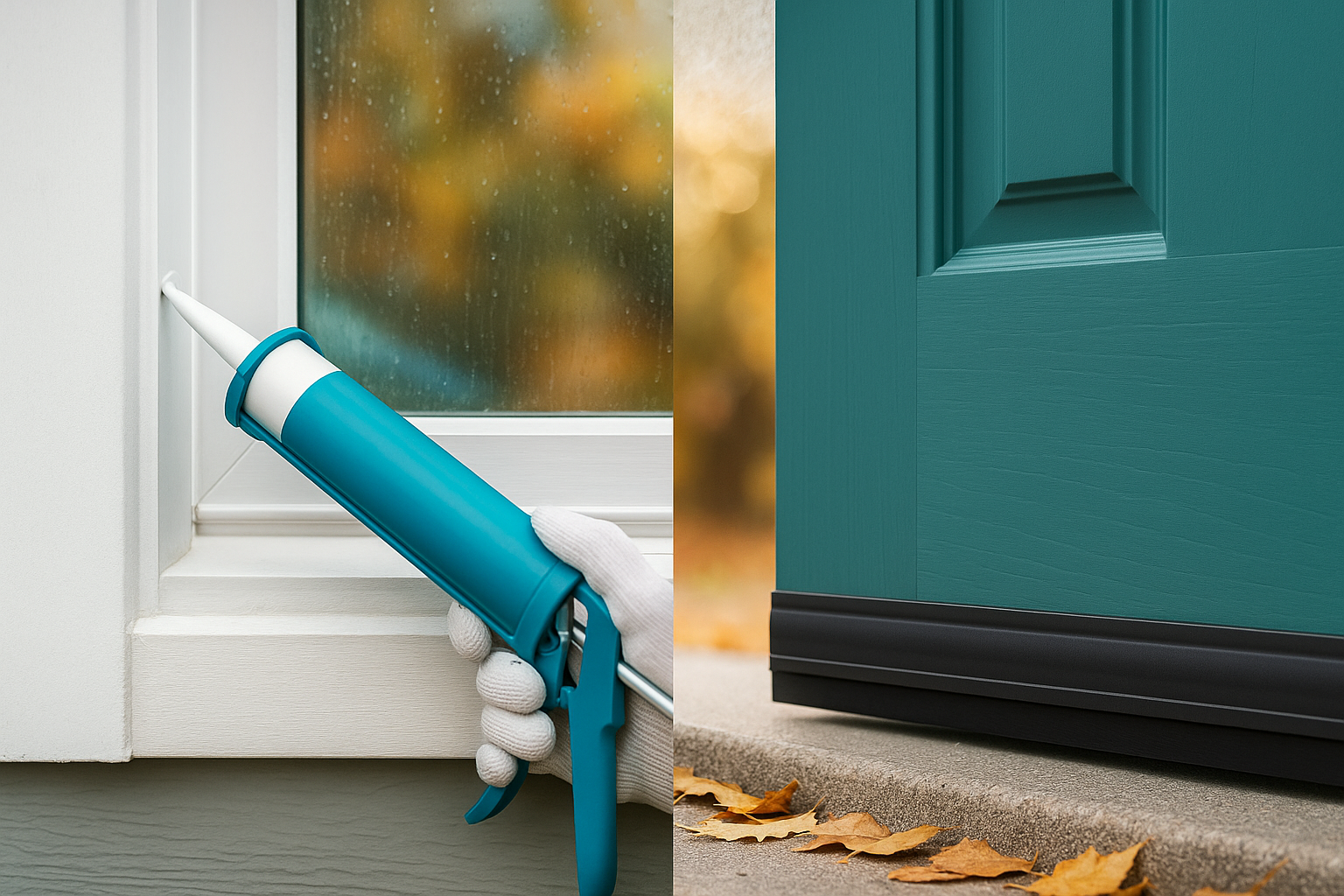
Prevent Leaks Before the Winter: Where Caulk & Weatherstripping Matter Most
New Orleans homes take a beating—sun, humidity, sudden downpours, and wind-driven rain all find the tiniest gaps around doors and windows. A quick check of your caulk and weatherstripping can stop drafts, protect trim and floors, and keep energy bills in check.
Why leaks show up now (NOLA edition)
- Humidity + heat shrink and swell wood, creating hairline gaps.
- Wind-driven rain pushes water behind brittle or missing caulk.
- Settling + older trim profiles (hello, charming frames) leave uneven seams.
- High A/C usage makes pressure and temperature differences that pull outside air in.
Where window caulk matters most (and what to look for)
Focus on these spots first for window caulk New Orleans homeowners rely on:
- Exterior trim to siding – the primary seam; cracked or missing bead = water path.
- Sill end-caps & miter joints – common rot points; look for gaps or soft wood.
- Top drip cap – must be sealed at the ends (not across the weep path).
- Inside corners – hairline cracks equal sneaky drafts.
Signs you need new caulk
- Visible cracking, curling, or open seams
- Dark stains or soft spots at sill corners
- You feel a cool draft on windy/rainy days
Pro tip: Use paintable, exterior-grade siliconized acrylic on painted trim and 100% silicone on raw masonry, tile, or constant water exposure. Always prep: scrape, wipe clean, dry, and then lay a continuous, tooled bead.
Doors: weatherstripping and door sweep replacement
Doors leak air (and sometimes water) three ways: around the jamb seals, at the latch/hinge edges, and under the threshold.
High-impact fixes
- Compression/bulb weatherstripping along the jamb—close the door on a dollar bill; if it slides out easily, you need new strip.
- Strike-side alignment—if the latch doesn’t pull tight, adjust the strike plate before you blame the seal.
- Door sweep replacement—if you see daylight or feel air at the bottom, swap to an adjustable sweep matched to your threshold type (raised or flat).
Quick test: At night, turn lights on inside and look at the door from the porch—if you see light, air (and water) can get through.
Biggest leak points checklist (5-minute walk-around)
- Window trim/sill corners (hairline gaps, peeling paint)
- Door bottom/sweep (daylight test)
- Threshold screws loose or out of plane
- Garage side door (often forgotten)
- Sliding door meeting stile & track weeps
- Hose bibs, exterior outlets, and cable/AC penetrations
Materials that survive our climate
- Caulk: Exterior-grade, paintable siliconized acrylic for wood trim; 100% silicone for masonry/metal/glass joints. Look for 25–50 year rating and “exterior.”
- Weatherstripping: Closed-cell EPDM or silicone bulb; avoid cheap foam tapes outdoors.
- Door sweeps: Aluminum carrier with replaceable vinyl or silicone fin; choose adjustable models to fine-tune the seal.
DIY vs. hire a pro
DIY friendly: short runs of exterior window caulk, interior trim cracks, simple door sweep replacement.
Call a pro: rotted sills/trim, out-of-square doors, persistent leaks after heavy rain, or when you need multiple doors/windows tuned up quickly. A handyman can also plane sticking doors, reset thresholds, and re-align strikes while they’re there.
Fall/Winter-ready sequence (fast wins)
- Tune the doors: adjust strike, replace weatherstripping, set threshold, install new sweep.
- Seal high-exposure windows: especially windward sides and any with soft sill corners.
- Penetrations audit: AC lines, cable boxes, hose bibs—caulk sleeves and plates.
- Paint touch-ups: spot prime any bare wood after caulking; finish coat seals the deal.
Schedule a draft & leak audit.
We’ll check doors, windows, and penetrations, perform on-the-spot fixes (sweeps, strikes, minor caulk), and provide a punch list for anything larger.
Book a convenient time and be ready.