29 Aug, 2025
Posted by Sobiya Prasher
0 comment
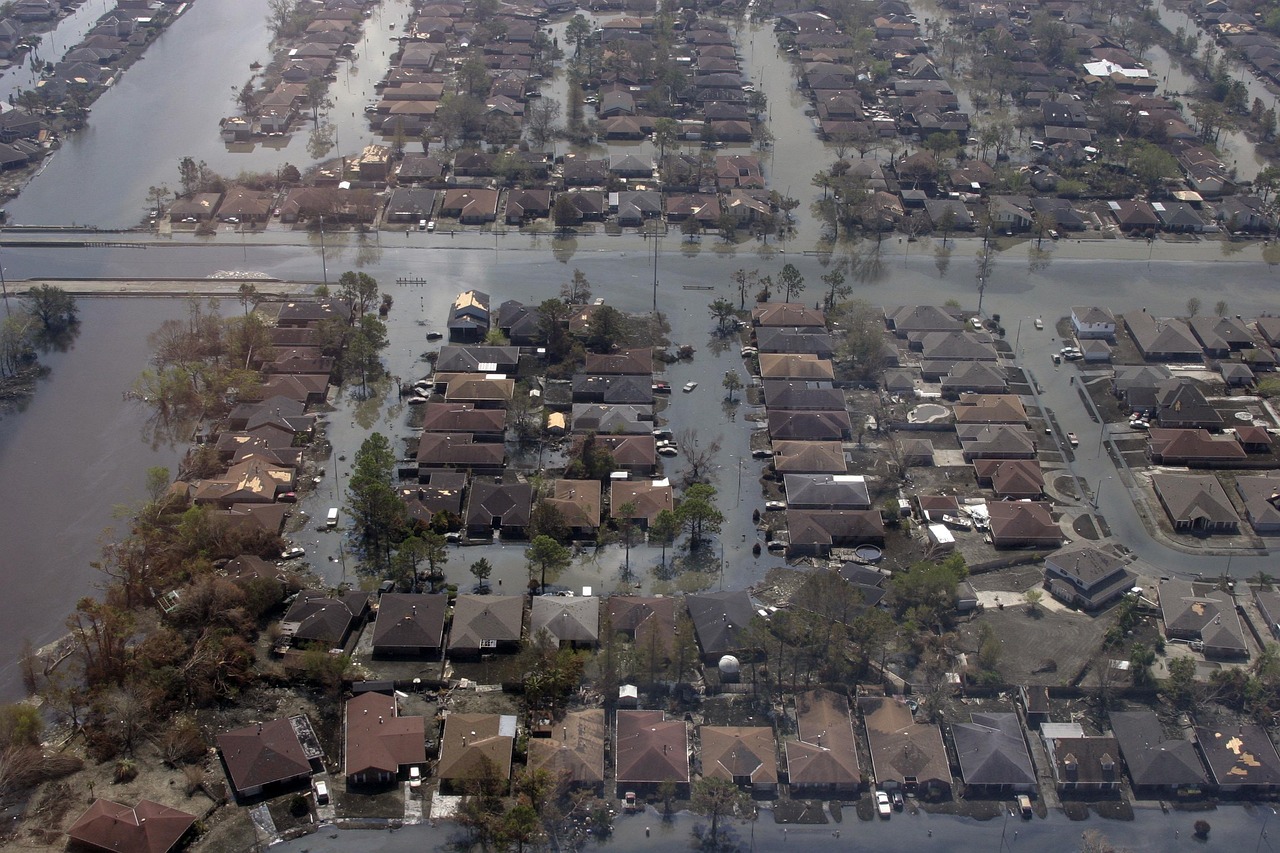
Hurricane Katrina, 20 Years Later: A Practical Home Storm-Prep Guide for New Orleans
Storm-Prep Timeline: What to do and when
Do these now (pre-season or today)
- Roof & exterior check: Look for missing/loose shingles, cracked caulk around flashing, soft or sagging soffit/fascia, and loose siding. Schedule repairs before peak season.
- Gutters & drainage: Clean gutters and downspouts; make sure water discharges 4–6 feet from the slab. Clear yard drains and any debris around curb inlets.
- Windows & doors: Have rated shutters or pre-cut plywood ready for each opening. Label pieces and store the hardware with them.
- Flood readiness: Keep 10–20 sandbags on hand. Consider door flood dams for low entries. If you have a backflow preventer, verify it operates smoothly.
- Power plan: Test your generator and cords. Portable units must run outside—never in a garage or near windows/doors.
- Documents & inventory: Photograph each room, appliances, and serial numbers; back up to the cloud. Keep IDs, insurance, and deed in a waterproof pouch.
- Emergency kit: At least 3 days of water (1 gallon/person/day), shelf-stable food, medications, pet supplies, flashlights, batteries, and phone power banks.
72–48 hours before expected impact
- Stage shutters/plywood and hardware at each opening; pre-drill if needed.
- Trim small branches near the house; secure or store furniture, grills, planters, and tools.
- Lower pool water if recommended; secure automatic cleaners.
- Test sump pumps and clear any debris from yard/curb drains.
- Refill prescriptions and top off vehicles.
24 hours before
- Install shutters/plywood. Move vehicles to higher ground if you’re in a flood-prone area.
- Sandbag low doors/garage. Elevate valuables and small appliances.
- Freeze bottles of water (they double as ice). Set fridge and freezer to their coldest settings.
- Charge devices and power banks; confirm generator placement and cord plan again.
During the storm
- Shelter in an interior room away from windows. Keep shoes on; use flashlights rather than candles.
- Run generators outdoors only, at least 20 feet from doors and windows.
After the storm
- Photograph damage before cleanup. Watch for downed lines, gas odors, and hidden water damage.
- Start drying immediately: ventilation, fans, and dehumidifiers. Discard porous materials that were submerged.
- Document all repairs and save receipts for insurance.
Home Hardening: Where prep pays off most
1) Roof & attic
- Re-secure lifted shingles and ridge caps; reseal flashing at chimneys, vents, and valleys.
- Seal exposed nail heads. If you’re already renovating, ask about hurricane straps/clips.
- In the attic, look for pinholes of light, water stains, damp insulation, and moldy odors.
2) Siding, soffit, and fascia
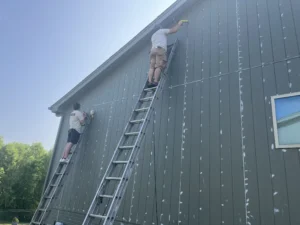
- Refasten loose vinyl or wood siding; replace damaged panels and corner pieces.
- Reinforce soffit panels under eaves—wind often starts damage here.
- Prime and paint exposed wood to shed water.
3) Windows, doors, and garage doors
- Install rated shutters or use pre-cut 5/8-inch exterior-grade plywood with proper fasteners.
- Replace worn weatherstripping and door sweeps; check thresholds for a tight seal.
- Add vertical bracing kits to garage doors; they’re common failure points.
4) Flood mitigation
- Sandbag or use door dams at low entries.
- Elevate appliances/air handlers in low areas; strap water heaters.
- Improve grading around the slab. Add downspout extensions or splash blocks.
5) Power & communications
- Size your generator for essentials (fridge, a few outlets, fans). Keep CO detectors with fresh batteries.
- Label a “dark power” kit (heavy-gauge cords, multi-tap, tape) and store it with the generator.
Quick, Printable Checklist
Exterior
- Roof inspected; flashing and nail heads sealed
- Loose siding/soffit/fascia repaired
- Gutters/downspouts cleared; discharge extended 4–6 ft
- Yard/curb drains cleared
Openings
- Shutters or labeled plywood for every window/door
- Weatherstripping and thresholds intact
- Garage door bracing installed
Flood Readiness
- 10–20 sandbags and/or door dams on hand
- Appliances elevated where needed
- Backflow preventer checked (if installed)
Power & Safety
- Generator tested; outdoor placement planned
- Heavy-gauge extension cords (12- or 10-gauge)
- CO detectors with fresh batteries
Docs & Supplies
- Photos/inventory backed up to the cloud
- IDs, insurance, and deed in waterproof pouch
- Water, food, meds, pet supplies, flashlights, batteries, power banks
Further Reading from Our Blog
We’ve covered shutters, sandbag placement, drainage tune-ups, and generator safety in earlier posts. Browse all hurricane tips: https://www.nohandyman.com/?s=hurricane
Need a hand before the next storm?
New Orleans Handyman can help with:
- Roof, soffit, fascia, and siding repairs
- Shutter installation or plywood cutting and labeling
- Gutter cleaning and downspout extensions
- Door seals, thresholds, and flood-barrier setup
- Generator setup (outdoor pad, cord kit, safety review)
Get help: Call us at 504-358-0399 or request service at nohandyman.com/contact.