

© 2026 New Orleans Handyman, LLC. All Rights Reserved.

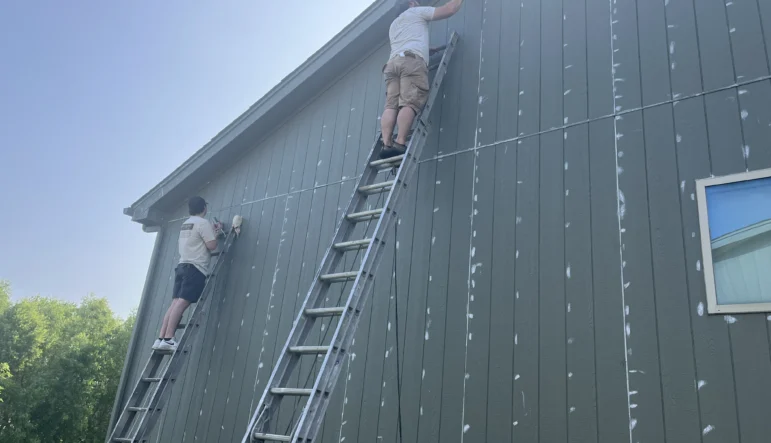
Living in New Orleans means your home faces unique challenges — humidity, heavy rain, termites, heat, and storm seasons all put stress on houses year-round. The good news? Many expensive repairs can be avoided with simple preventative maintenance. Below are 10 small repairs that can save New Orleans homeowners thousands of dollars if caught early. 1. Seal Exterior Gaps and Cracks Small openings around windows, doors, or siding let moisture, pests, and humid air inside. Over time, this can lead to mold, rot, or insulation damage. Quick fix: Exterior-grade caulk or sealant once a year. 2. Repair Window Glazing Cracked or missing glazing lets water seep into window frames, causing wood rot and interior damage. Reglazing is inexpensive compared to full window replacement. Tip: If glazing is brittle or falling out, it’s time for repair. 3. Tighten Loose Porch Railings Porches are common in New Orleans homes, especially raised or historic ones. Loose railings aren’t just unsafe — they also allow moisture into joints that can rot structural wood. 4. Replace Damaged Fence Boards Broken pickets or leaning sections allow wind to catch the fence and worsen damage during storms. Fixing one board now can prevent replacing an entire panel later. 5. Patch Small Drywall Holes Tiny holes from door knobs, hardware, or minor impacts allow moisture and pests to enter wall cavities — especially in humid climates. Simple patching keeps insulation dry and walls intact. 6. Fix Dripping Faucets or Leaks Even a slow drip can lead to cabinet swelling, mold growth, or floor damage. In Louisiana humidity, moisture problems escalate fast. 7. Secure Loose Trim or Siding Loose exterior trim acts like a funnel for rainwater. Water intrusion behind siding can cause structural wood rot and termite attraction. 8. Clean and Repair Gutters Clogged gutters cause water to overflow against fascia boards and foundations. In New Orleans’ heavy rainstorms, this can quickly lead to foundation issues or roof edge rot. 9. Repair Door Seals and Threshold Gaps Poor door seals allow: humidity insects heat water Replacing weatherstripping is one of the cheapest and most effective repairs you can make. 10. Address Minor Wood Rot Immediately Small soft spots in trim, railings, or fascia boards can spread quickly if ignored. Early repair often means sanding, filler, and sealing — instead of full replacement later. Why Preventative Repairs Matter More in New Orleans The Gulf climate accelerates wear and tear compared to most regions. Moisture + heat + storms = faster deterioration. Homeowners who stay ahead of small issues often avoid major structural repairs. Quick Seasonal Checklist Every 3–6 months: Inspect windows and trim Check fence stability Look for soft wood spots Test door seals Inspect gutters When to Call a Handyman If you notice: cracking paint or wood soft trim loose railings gaps around doors/windows moisture stains …it’s best to fix them before they become major repairs. Need Help With Preventative Repairs? Professional maintenance can catch issues most homeowners miss. A quick inspection and minor fixes today can save you from large repair bills later. 👉 Contact New Orleans Handyman for a preventative home repair checkup

Why turnover is where profits are won (or lost) In New Orleans rentals, small issues become expensive fast—humidity, older housing stock, and frequent turnovers can turn “minor” into mold, rot, and maintenance calls that cost you weeks of vacancy. The best move is a repeatable turnover checklist that catches problems early and gets the unit rent-ready quickly. Below are 25 quick repairs and checks we recommend between tenants. The 25-turnover checklist (fast + high impact) A) Safety + code basics (Start here) Test smoke/CO detectors and replace batteries (or units if expired). Check all exterior door locks (deadbolt throws smoothly, strike plate tight). Verify window locks and that windows open/close properly (egress). Replace burnt-out bulbs (especially exterior + stairwells). Tighten handrails (stairs/porch) and check for wobble. B) Water is the #1 enemy in New Orleans Inspect under every sink for drips, swelling, or musty smells. Toilet check: no rocking, no slow leaks at the base, tank bolts tight. Shower/tub plumbing: look for drip at spout/showerhead + valve trim gaps. Re-caulk tubs/showers where there are gaps, black spots, or peeling edges. Check water heater pan/line and verify the T&P discharge is safe/routed. C) Doors, trim, and “old house” movement Adjust sticky doors (humidity swells jambs; don’t let it become damage). Replace worn weatherstripping to reduce humidity load and energy costs. Re-secure loose trim/baseboards—prevents further cracking and pest entry. Patch nail pops/small drywall dings (turnovers are the easiest time). Touch up paint at high-contact points – handyman carpenter service (around handles, corners, hallways) D) Kitchen: fast wins tenants notice Tighten cabinet doors/drawers and replace missing bumpers. Fix loose faucets (wiggle = future leak). Clean/replace sink sprayer and aerator (cheap, big improvement). Check disposal + GFCI reset and confirm outlets are tight. Seal gaps at sink/counter/backsplash (keeps water from swelling cabinets). E) Bath: where reviews live or die Replace failing grout/caulk lines (prevents water intrusion behind tile). Secure toilet paper/towel bars (use proper anchors). Confirm exhaust fan works and vents correctly—critical for humidity control. Fix mirror/light wobble and replace cracked switch plates. F) Exterior / porch / fence (curb appeal + liability) Walk the exterior: trip hazards, loose steps, peeling paint/soft wood, gate function. Bonus: The “3 photos” turnover method (speeds up quotes) Before we arrive (or to get pricing fast), take: Under-sink photos (kitchen + baths) Tub/shower caulk close-ups Door frames/thresholds + any exterior wood spots Want a “turnover punch list” handled in one visit? We can bundle small repairs—caulk, door adjustments, drywall patches, hardware tightening, minor carpentry, fence/gate fixes—so your unit gets back on the market faster. Let’s Simplify Your Property Maintenance We know how important it is to keep your rental properties in top condition with minimal hassle. Let’s chat about how we can help streamline your maintenance needs with our professional handyman services. Call us at: 504-358-0399 Email us at: nohandyman1@gmail.com Visit us at: https://nohandyman.com/ | Read our testimonials Partner with New Orleans Handyman LLC and keep your rental properties running smoothly year-round!
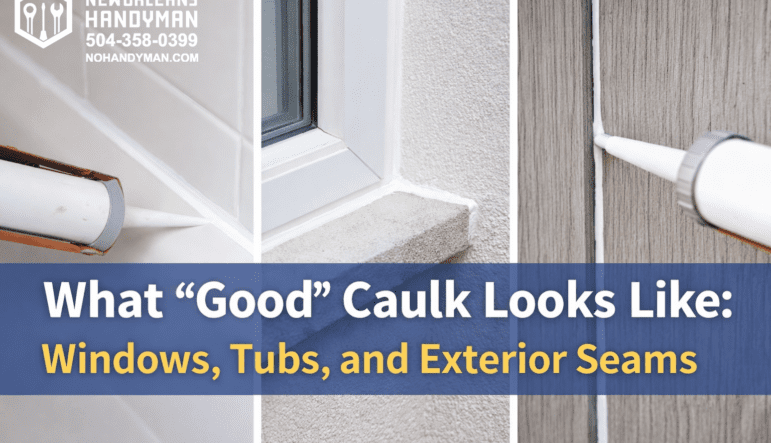
Caulk isn’t cosmetic here—it’s protection In a humid, rain-heavy city, caulk is a first line of defense. Bad caulk (or the wrong type) lets water creep behind trim, tile, and siding—then you’re paying for rot, mold, and drywall repairs later. Here’s how to tell if caulk is done right. What good caulk should look like Good caulk: Smooth, even bead (no lumps, gaps, or thin spots) Clean edges (tooled, not smeared) Fully bonded to both surfaces (no lifting) Consistent thickness (not razor-thin) No pinholes or bubbles No cracks after curing Bad caulk: Bead looks “ropey” or bumpy Pulling away at edges Cracks, shrinkage lines, or gaps at corners Caulk applied over wet/dirty surfaces Multiple layers stacked on top of old failing caulk The 3 highest-impact areas 1) Tubs & showers (mold + water intrusion) What good looks like: One continuous bead along tub-to-tile and vertical corners No breaks around fixtures/soap niches Fully sealed where water sits or runs Red flags: Black spots (mildew/mold), peeling edges, or gaps Soft drywall outside the shower wall Loose tile/grout near the tub lip Pro tip: If there’s old failing silicone, it must be removed—new silicone won’t bond reliably to old silicone. 2) Windows & exterior trim (rot prevention) What good looks like: Sealed at trim joints and window casing seams No caulk blocking weep paths (windows need to drain) Paintable caulk where it’s meant to be painted Red flags: Peeling paint at sill/trim Dark staining at seams Soft wood at lower corners Pro tip: Exterior caulk is about keeping water out and letting assemblies dry—done wrong, it can trap moisture. 3) Exterior seams (siding joints, penetrations, gaps) What good looks like: Sealed around pipe penetrations, hose bibs, and gaps Neat bead—no messy smears that fail early Correct material for exterior UV exposure Red flags: Cracked caulk around penetrations Insects entering at gaps Water staining on interior walls near seams Picking the right caulk (simple version) Silicone: best for wet areas (tubs/showers), not paintable Siliconized acrylic/latex: paintable, good for interior trim Polyurethane / exterior-rated sealant: durable for exterior seams and movement (Using the wrong product is a top reason caulk fails early.) How often should you re-caulk in New Orleans? Showers/tubs: typically every few years depending on ventilation and cleaning Exterior trim/windows: check annually; re-seal when you see cracking/lifting High-sun/wind areas: may need attention more often Want it done clean (and correctly the first time)? We can re-caulk tubs, showers, windows, and exterior seams—clean removal, correct product selection, and a finished bead that actually seals. Text photos to: 1-504-358-0399 or Submit your request on Nohandyman.com
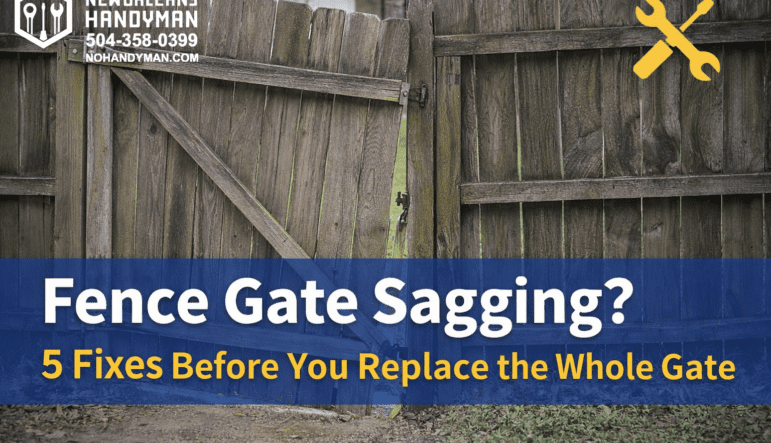
Why gates sag (especially in New Orleans) Most sagging gates aren’t “bad wood”—they’re bad alignment + weak hardware + post movement. In New Orleans, wet soil, humidity, and storm winds accelerate it. The good news: many gates can be fixed without replacement. Quick diagnosis (30 seconds) Dragging at the latch side bottom? Classic sag. Latch won’t catch unless you lift the gate? Alignment is off. Hinges loose or pulling out? Hardware failure. Post leaning? That’s the real root cause. 5 fixes to try before replacement 1) Tighten/upgrade hinges and fasteners If the hinge screws are stripped or too short, the gate will drift. Replace with longer exterior screws into solid framing (not just pickets). Upgrade to heavy-duty strap hinges for wider/heavier gates. Best for: gates that sag but the post is still solid. 2) Add a gate anti-sag kit (cable + turnbuckle) A diagonal cable supports the gate frame so it doesn’t “rack” out of square. Install cable from top hinge corner to bottom latch corner (most cases). Tighten turnbuckle until the gate lifts back into alignment. Best for: wooden gates that are square-ish but drooping. 3) Re-square the frame with a diagonal brace If the gate frame has twisted, a brace is stronger than cable. Add a diagonal brace that pushes weight into the hinge side. Replace cracked rails and re-fasten the frame properly. Best for: older gates, warped frames, or gates that flex when pushed. 4) Reset the latch and strike plate (alignment fix) Sometimes the gate is fine—the latch hardware isn’t. Raise/lower the latch and strike to meet cleanly. Add a stop block so the gate closes to the same point every time. Best for: “it closes but won’t latch” problems. 5) Stabilize or reset the gate post (the real fix) If the post is leaning or loose, every other fix is temporary. Re-pack and set the post plumb. Repair rot at the base or replace the post if it’s soft. Best for: gates that keep re-sagging after “quick fixes.” When replacement is the better move Replace the gate when: The gate frame is rotten/soft in multiple areas The post is compromised and repairs would exceed replacement value The opening is out of square and needs a full reset Want us to fix it (without selling you a whole new gate)? Send a photo of: hinge side latch side post at the ground…and we’ll tell you whether it’s a hardware fix, a brace fix, or a post reset. Text photos to: 1-504-358-0399 or Submit on Nohandyman.com
