





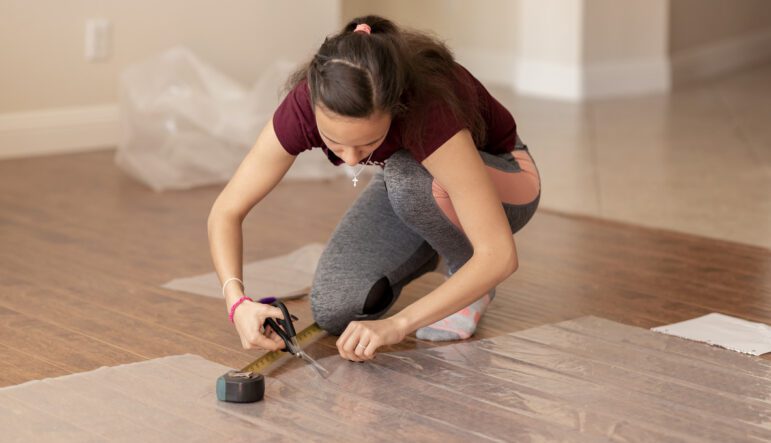
Floors take the brunt of your everyday life—foot traffic, spills, furniture, pets, and everything in between. But while they may seem sturdy, flooring issues can creep up quietly. Whether you’re dealing with creaks, cracks, water damage, or soft spots, delaying repairs could lead to much costlier problems down the road. At nohandyman, we specialize in identifying early signs of floor damage and helping homeowners fix or replace flooring before the costs—and hazards—pile up. ⚠️ Common Signs Your Floors Need Attention If you notice any of the following, it may be time to repair or replace your flooring: Visible cracks or splits in wood or tiles Uneven or sagging sections of the floor Soft spots or spongy feel underfoot (especially in wood or laminate) Creaking or loud sounds when walking Water stains, warping, or discoloration Loose or chipped tiles, or peeling laminate These may seem minor at first, but they often signal deeper structural issues like subfloor damage or water infiltration. 💸 What Happens If You Wait Too Long? Putting off flooring repairs can cost you more than just peace of mind: Higher repair or full replacement costs later Increased risk of injury from tripping hazards Moisture damage to subfloors, walls, and insulation Decreased home value and appeal Mold and mildew growth, especially in water-damaged areas Letting flooring issues linger can also impact your home’s air quality and overall safety. At nohandyman.com, we believe in fixing it right—before it becomes a bigger problem. 🛠️ Repair or Replace? Here’s What to Expect Minor Repairs: Replacing a few tiles, sanding down wood, or fixing trim – affordable and quick. Moderate Repairs: Subfloor reinforcement or patching up water-damaged areas – mid-range cost and labor. Full Replacement: New hardwood, tile, or vinyl – higher upfront cost but improves durability, aesthetics, and resale value. Not sure what you need? Schedule an inspection with nohandyman and get expert advice without the pushy sales pitch. Prevent Future Floor Trouble Avoid expensive repairs by maintaining your floors regularly: Use rugs in high-traffic areas Clean spills immediately Monitor moisture and humidity levels Schedule annual inspections with a pro With nohandyman, floor care becomes easy, reliable, and affordable. ✅ Final Thoughts Ignoring flooring issues won’t make them go away—it’ll only increase the cost and risk. From minor repairs to full replacements, trust nohandyman to help you protect your home from the ground up. Don’t wait for a small creak to turn into a big bill. Book your floor check today.

Why turnover is where profits are won (or lost) In New Orleans rentals, small issues become expensive fast—humidity, older housing stock, and frequent turnovers can turn “minor” into mold, rot, and maintenance calls that cost you weeks of vacancy. The best move is a repeatable turnover checklist that catches problems early and gets the unit rent-ready quickly. Below are 25 quick repairs and checks we recommend between tenants. The 25-turnover checklist (fast + high impact) A) Safety + code basics (Start here) Test smoke/CO detectors and replace batteries (or units if expired). Check all exterior door locks (deadbolt throws smoothly, strike plate tight). Verify window locks and that windows open/close properly (egress). Replace burnt-out bulbs (especially exterior + stairwells). Tighten handrails (stairs/porch) and check for wobble. B) Water is the #1 enemy in New Orleans Inspect under every sink for drips, swelling, or musty smells. Toilet check: no rocking, no slow leaks at the base, tank bolts tight. Shower/tub plumbing: look for drip at spout/showerhead + valve trim gaps. Re-caulk tubs/showers where there are gaps, black spots, or peeling edges. Check water heater pan/line and verify the T&P discharge is safe/routed. C) Doors, trim, and “old house” movement Adjust sticky doors (humidity swells jambs; don’t let it become damage). Replace worn weatherstripping to reduce humidity load and energy costs. Re-secure loose trim/baseboards—prevents further cracking and pest entry. Patch nail pops/small drywall dings (turnovers are the easiest time). Touch up paint at high-contact points – handyman carpenter service (around handles, corners, hallways) D) Kitchen: fast wins tenants notice Tighten cabinet doors/drawers and replace missing bumpers. Fix loose faucets (wiggle = future leak). Clean/replace sink sprayer and aerator (cheap, big improvement). Check disposal + GFCI reset and confirm outlets are tight. Seal gaps at sink/counter/backsplash (keeps water from swelling cabinets). E) Bath: where reviews live or die Replace failing grout/caulk lines (prevents water intrusion behind tile). Secure toilet paper/towel bars (use proper anchors). Confirm exhaust fan works and vents correctly—critical for humidity control. Fix mirror/light wobble and replace cracked switch plates. F) Exterior / porch / fence (curb appeal + liability) Walk the exterior: trip hazards, loose steps, peeling paint/soft wood, gate function. Bonus: The “3 photos” turnover method (speeds up quotes) Before we arrive (or to get pricing fast), take: Under-sink photos (kitchen + baths) Tub/shower caulk close-ups Door frames/thresholds + any exterior wood spots Want a “turnover punch list” handled in one visit? We can bundle small repairs—caulk, door adjustments, drywall patches, hardware tightening, minor carpentry, fence/gate fixes—so your unit gets back on the market faster. Let’s Simplify Your Property Maintenance We know how important it is to keep your rental properties in top condition with minimal hassle. Let’s chat about how we can help streamline your maintenance needs with our professional handyman services. Call us at: 504-358-0399 Email us at: [email protected] Visit us at: https://nohandyman.com/ | Read our testimonials Partner with New Orleans Handyman LLC and keep your rental properties running smoothly year-round!
When family and friends come to visit, your home naturally becomes the center of connection, conversation, and shared moments. Whether you are hosting overnight guests, welcoming relatives for a weekend stay, or inviting friends over for a get-together, having your home ready makes all the difference. More people, more movement, and higher expectations can quickly turn into stress if things are not in order. That is where New Orleans Handyman comes in. With the right repairs and maintenance handled in advance, you can focus on enjoying your guests instead of worrying about your home. Here is your complete home-prep checklist for welcoming visitors with confidence. 1. First Impressions Matter: Entryway and Exterior Your entryway sets the tone the moment guests arrive. Clear walkways, wipe down the front door, and clean or replace the welcome mat. Check exterior lighting and replace any burnt-out bulbs so guests feel safe and welcomed, especially in the evening. Repair or repaint the front door or trim if needed. Add or tighten coat hooks, a small bench, or an umbrella stand so guests have a convenient place to settle in. If hinges squeak, weather stripping is worn, or your porch light flickers, New Orleans Handyman can handle these fixes in a single visit. 2. Deep Clean and Quick Fixes in High-Traffic Areas Focus on the spaces guests will use the most: living room, kitchen, bathrooms, and guest rooms. Patch nail holes, scuffed walls, or loose baseboards. Fix sticky doors, misaligned drawers, or loose cabinet handles. Replace cracked or aging caulking around sinks, tubs, and showers. Test heating and cooling, clean vents, and replace HVAC filters if guests are staying overnight. Declutter surfaces so spaces feel open and comfortable. Small details like cracked tiles or loose outlet covers stand out to guests, and these are exactly the quick fixes New Orleans Handyman takes care of efficiently. 3. Guest Bathroom and Bedroom Check Comfort matters most when people stay over. Bathroom Replace worn towels and bath mats. Ensure towel hooks or racks are secure and accessible. Fix slow drains or running toilets before guests arrive. Add extra toiletries or a small essentials basket for convenience. Guest Bedroom Clear closet or drawer space so guests can unpack. Use fresh bedding, working bedside lamps, and accessible charging outlets. Repair drafty windows, noisy doors, or crooked blinds. New Orleans Handyman can install hardware, adjust doors and windows, or add storage solutions so your guest space feels welcoming and functional. 4. Kitchen Readiness for Hosting The kitchen often becomes the heart of any gathering. Make sure cabinet doors and drawers open and close smoothly. Check frequently used appliances like the oven, microwave, or dishwasher. Clear counter space and set up a coffee or refreshment station. Inspect under-cabinet lighting and clean stove vents or range hood filters. New Orleans Handyman can align cabinet hardware, repair drawers, and improve lighting so hosting feels effortless. 5. Living and Gathering Space Comfort Your living areas should support conversation, relaxation, and activity. Add extra seating or side tables and secure heavy furniture if children are present. Improve lighting with lamps or dimmers to create a warm atmosphere. Secure shelves, décor, or mounted items so everything is safe and stable. If you need help mounting shelves, assembling furniture, or reinforcing fixtures before guests arrive, New Orleans Handyman has you covered. 6. Safety and Peace of Mind More people in the home means safety matters even more. Check handrails, stairs, and loose rugs. Test smoke and carbon monoxide detectors and replace batteries if needed. Ensure outdoor paths and porches are clear and well-lit. Secure loose railings or banisters. New Orleans Handyman can perform a quick safety check and address issues so you can host without worry. 7. Hosting Setup Without the Stress Simple planning makes hosting easier. Keep décor clean and minimal to avoid clutter. Organize storage for coats, shoes, and bags. Prepare extra trash and recycling bins. Protect surfaces with coasters or placemats. Need help moving furniture, installing temporary décor, or organizing storage? Add it to your New Orleans Handyman task list. 8. Final Walkthrough and Buffer Time Walk through your home from a guest’s perspective. Complete repairs a few days before guests arrive. Keep spare bulbs, basic tools, and chargers on hand. Relax knowing your home is ready. If a few tasks are still pending, book New Orleans Handyman early and check them off with ease. Conclusion Welcoming family and friends into your home should feel comfortable and enjoyable, not stressful. By taking care of essential repairs, maintenance, and preparation, you create a space where guests feel truly at home. From fixing squeaky doors and improving lighting to preparing guest rooms and enhancing safety, New Orleans Handyman is your trusted partner in getting everything done right.
Halloween is right around the corner, and while you may be busy planning costumes, decorating your porch with pumpkins, and setting up spooky lights, your home might be hiding a few scares of its own! Before welcoming trick-or-treaters, it is a great idea to take care of those pre-Halloween home repairs that can save you from unwanted surprises later. At NoHandyman.com, we believe a safe and well-maintained home sets the perfect stage for Halloween fun. 1. Check Your Outdoor Lighting Before you hang those creepy cobwebs or ghost lights, inspect your outdoor lighting. Burnt-out bulbs, flickering lights, or dark pathways can be safety hazards for visitors. Replace old bulbs with energy-efficient LED options and make sure pathways and steps are well-lit. It is both safe and welcoming for trick-or-treaters. 2. Repair Cracked Walkways and Driveways Cracks or uneven surfaces can cause accidents—especially at night. Fixing these before Halloween not only keeps your guests safe but also boosts your home’s curb appeal. Consider a quick concrete patch-up or call a professional if the damage is significant. 3. Clean and Secure Gutters Autumn leaves may look pretty, but clogged gutters can lead to water damage and leaks. Before the spooky season rains hit, clear out debris from gutters and downspouts. A clean drainage system ensures your roof stays in top shape through fall and winter. 4. Inspect and Seal Windows & Doors As the chilly fall breeze creeps in, it is the perfect time to check for drafts. Sealing gaps around windows and doors helps keep your home warm and energy-efficient, and it also prevents creepy crawlies from finding their way indoors. 5. Test Smoke Detectors and Carbon Monoxide Alarms Halloween decorations often involve candles, lights, and electronics. Make sure your smoke detectors and carbon monoxide alarms are in working condition. Replace batteries if needed—it is a small task that can prevent big problems. 6. Check Your Roof for Damage Windy October nights can reveal roofing issues you did not notice before. Look for missing shingles or leaks, and get them repaired to avoid further damage during fall storms. 7. Yard Cleanup and Tree Trimming Fallen branches, overgrown bushes, or dead trees can be both dangerous and unsightly. Trim trees and clean up your yard before decorating for Halloween. It will make your spooky setup stand out safely! Final Thoughts A well-maintained home does more than just look good—it keeps your family and guests safe during the Halloween season. Taking care of small repairs now can prevent major headaches later. Whether you need help with lighting, roof repairs, or gutter cleaning, NoHandyman.com connects you with trusted professionals who get the job done quickly and efficiently. Make this Halloween safe, spooky, and stress-free by fixing before the frights begin!
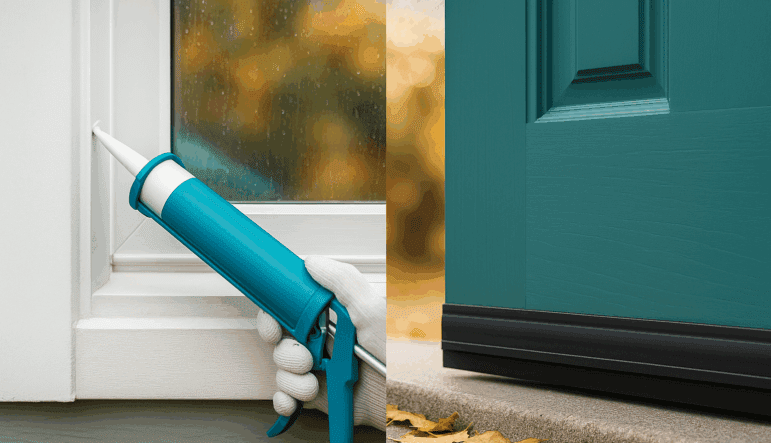
New Orleans homes take a beating—sun, humidity, sudden downpours, and wind-driven rain all find the tiniest gaps around doors and windows. A quick check of your caulk and weatherstripping can stop drafts, protect trim and floors, and keep energy bills in check. Why leaks show up now (NOLA edition) Humidity + heat shrink and swell wood, creating hairline gaps. Wind-driven rain pushes water behind brittle or missing caulk. Settling + older trim profiles (hello, charming frames) leave uneven seams. High A/C usage makes pressure and temperature differences that pull outside air in. Where window caulk matters most (and what to look for) Focus on these spots first for window caulk New Orleans homeowners rely on: Exterior trim to siding – the primary seam; cracked or missing bead = water path. Sill end-caps & miter joints – common rot points; look for gaps or soft wood. Top drip cap – must be sealed at the ends (not across the weep path). Inside corners – hairline cracks equal sneaky drafts. Signs you need new caulk Visible cracking, curling, or open seams Dark stains or soft spots at sill corners You feel a cool draft on windy/rainy days Pro tip: Use paintable, exterior-grade siliconized acrylic on painted trim and 100% silicone on raw masonry, tile, or constant water exposure. Always prep: scrape, wipe clean, dry, and then lay a continuous, tooled bead. Doors: weatherstripping and door sweep replacement Doors leak air (and sometimes water) three ways: around the jamb seals, at the latch/hinge edges, and under the threshold. High-impact fixes Compression/bulb weatherstripping along the jamb—close the door on a dollar bill; if it slides out easily, you need new strip. Strike-side alignment—if the latch doesn’t pull tight, adjust the strike plate before you blame the seal. Door sweep replacement—if you see daylight or feel air at the bottom, swap to an adjustable sweep matched to your threshold type (raised or flat). Quick test: At night, turn lights on inside and look at the door from the porch—if you see light, air (and water) can get through. Biggest leak points checklist (5-minute walk-around) Window trim/sill corners (hairline gaps, peeling paint) Door bottom/sweep (daylight test) Threshold screws loose or out of plane Garage side door (often forgotten) Sliding door meeting stile & track weeps Hose bibs, exterior outlets, and cable/AC penetrations Materials that survive our climate Caulk: Exterior-grade, paintable siliconized acrylic for wood trim; 100% silicone for masonry/metal/glass joints. Look for 25–50 year rating and “exterior.” Weatherstripping: Closed-cell EPDM or silicone bulb; avoid cheap foam tapes outdoors. Door sweeps: Aluminum carrier with replaceable vinyl or silicone fin; choose adjustable models to fine-tune the seal. DIY vs. hire a pro DIY friendly: short runs of exterior window caulk, interior trim cracks, simple door sweep replacement. Call a pro: rotted sills/trim, out-of-square doors, persistent leaks after heavy rain, or when you need multiple doors/windows tuned up quickly. A handyman can also plane sticking doors, reset thresholds, and re-align strikes while they’re there. Fall/Winter-ready sequence (fast wins) Tune the doors: adjust strike, replace weatherstripping, set threshold, install new sweep. Seal high-exposure windows: especially windward sides and any with soft sill corners. Penetrations audit: AC lines, cable boxes, hose bibs—caulk sleeves and plates. Paint touch-ups: spot prime any bare wood after caulking; finish coat seals the deal. Schedule a draft & leak audit. We’ll check doors, windows, and penetrations, perform on-the-spot fixes (sweeps, strikes, minor caulk), and provide a punch list for anything larger. Book a convenient time and be ready.
